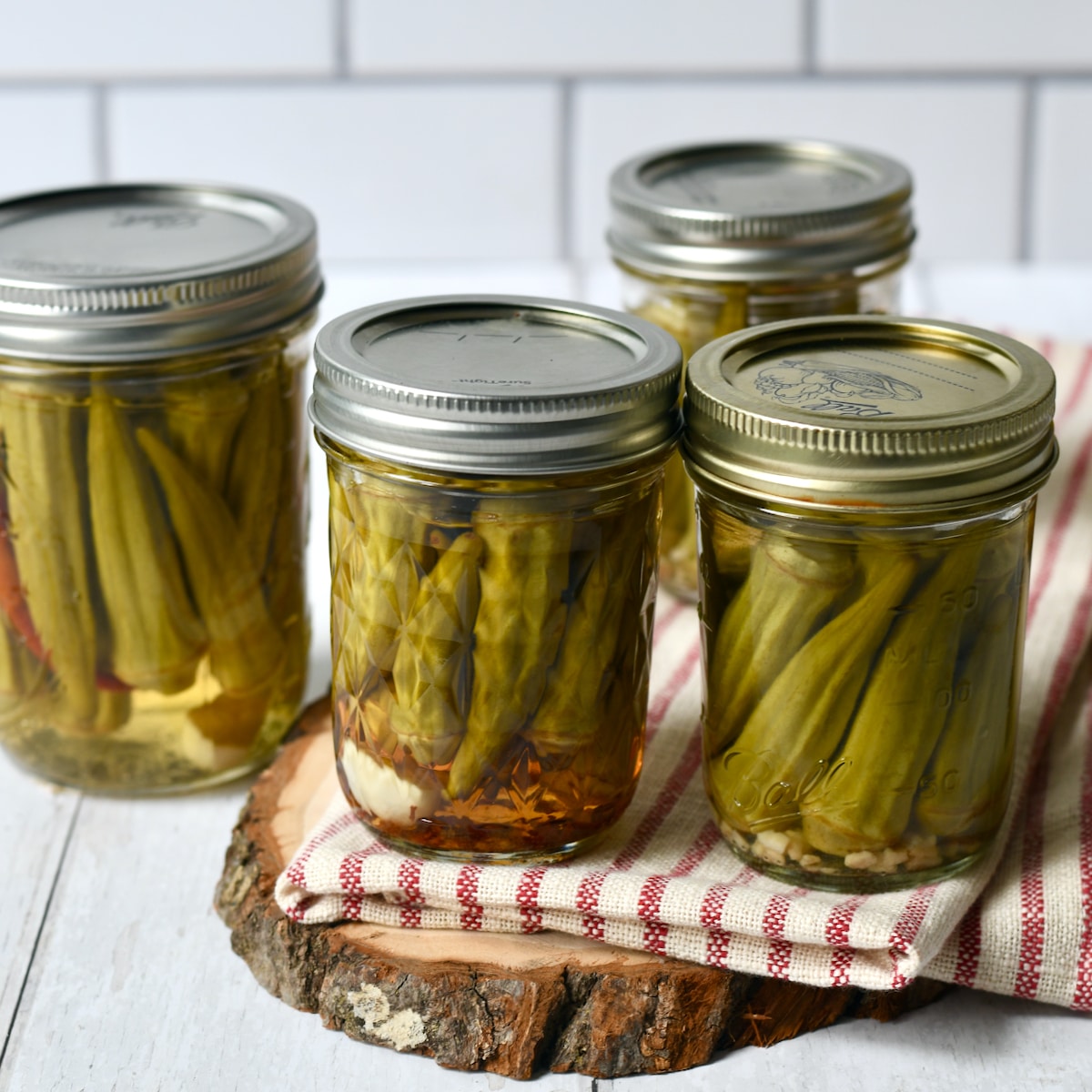
Make Your Own Crisp Southern Pickled Okra Recipe: A Taste of Dixie in Every Jar
The heart of Southern cuisine beats with a rhythm of hospitality, comfort, and, often, a delightful tang. Among its most cherished treasures is the humble yet extraordinary pickled okra. More than just a vegetable, it's a staple, a snack, and a testament to the South's ingenious ways of preserving summer's bounty. Imagine biting into a perfectly crisp pod, bursting with a savory, vinegary zing, perhaps with a hint of spice. This isn't just a dream; it's an achievable reality right in your own kitchen. Forget store-bought; making your own homemade pickled okra is surprisingly simple, incredibly rewarding, and yields a flavor and crunch that simply can't be matched. Get ready to embark on a culinary journey that brings the authentic taste of the South to your pantry.
Why Southern Pickled Okra is a Must-Try Delicacy
Pickled okra holds a special place in the Southern culinary landscape, serving multiple roles from a refreshing snack to an essential garnish. Its unique appeal lies in its distinctive texture and bold flavor, making it a versatile addition to countless meals and gatherings.
Firstly, it's the quintessential savory Southern snack. Forget potato chips; a jar of homemade pickled okra offers a healthier, more adventurous alternative that satisfies a craving for something tangy and satisfying. These vibrant green pods are packed with flavor, making them ideal for munching straight from the jar or serving as an intriguing appetizer at your next gathering. Their crisp bite and briny zest are a welcome counterpoint to richer, heavier dishes, clearing the palate and inviting another bite.
Beyond snacking, pickled okra truly shines as a sophisticated garnish. As celebrated chefs like Paula Deen attest, its savory notes and slightly spicy undertones make it the perfect accompaniment for a spicy tomato juice or, most famously, a classic Bloody Mary. The elongated shape of the okra pod not only adds visual appeal but also provides a delightful textural contrast to the drink, transforming a simple cocktail into an experience. Imagine hosting brunch, offering your guests a Bloody Mary bar, complete with your own beautifully crafted pickled okra – it’s a guaranteed conversation starter and a true mark of Southern hospitality. For more on its versatility, dive into
Pickled Okra: The Savory Southern Snack & Bloody Mary Garnish.
Historically, pickling was born out of necessity. In Southern kitchens, where okra thrives in the hot, humid summers, pickling became a beloved method to preserve the abundance of the harvest. This ingenious technique allowed families to enjoy the distinctive flavor and texture of okra for months after the growing season ended, embodying the very spirit of self-sufficiency and resourcefulness that defines Southern cooking. It's a tradition passed down through generations, ensuring that no good okra pod goes to waste, and every jar holds a piece of culinary history.
Selecting the Best Okra for Perfectly Crisp Pickles
The foundation of any great pickled okra recipe starts with the okra itself. While the pickling brine works its magic on flavor, the ultimate crunch and texture are heavily dependent on the quality of your fresh pods. This isn't a step to rush or overlook.
When choosing okra, always prioritize
small, tender pods. These are the unsung heroes of crisp pickled okra. Look for pods that are typically no longer than 3-4 inches, with a vibrant green color and no visible blemishes, soft spots, or signs of wilting. They should feel firm to the touch, snapping easily rather than bending. Why the emphasis on small size? Larger, older okra pods tend to develop a tough, woody texture and can become stringy when pickled, losing that coveted crispness we're aiming for. Their internal seeds also become larger and harder, detracting from the overall enjoyment.
The best places to find prime okra are farmer's markets or local produce stands during the peak summer months. Here, you'll often find freshly picked pods, sometimes just hours from the field. If you're sourcing from a grocery store, ensure the okra hasn't been sitting on the shelf for too long. A quick sniff can also help; fresh okra has a mild, earthy scent, whereas old okra might smell slightly off or be odorless, indicating a loss of freshness. Remember, the quality of your raw ingredients dictates the quality of your final product. Invest a little time in selecting the perfect pods, and you'll be rewarded with an unparalleled pickled okra experience.
Crafting Your Crisp Southern Pickled Okra: The Recipe
Now for the star of the show – the recipe itself. This approach yields crisp, flavorful refrigerator pickles, meaning they are stored in the fridge and don't require water bath canning (though the principles are similar). This makes the process accessible and enjoyable for home cooks of all experience levels.
Ingredients:
- Fresh Okra Pods: About 1 pound, small and tender (as discussed above)
- White Vinegar: 2 cups (distilled white vinegar is preferred for its clean, sharp flavor)
- Water: 1 cup (filtered water often yields the best taste)
- Pickling Salt: 1 tablespoon (or kosher salt, avoid iodized table salt which can cloud your brine and affect flavor)
- Garlic Cloves: 2, peeled and lightly smashed or sliced
- Red Pepper Flakes: Pinch (adjust to your heat preference, or omit for a milder pickle)
- Black Peppercorns: ½ teaspoon, whole
- Fresh Dill: Small sprig (optional, but highly recommended for classic flavor)
- Optional additions: A few mustard seeds, a bay leaf, or a pinch of celery seeds for added complexity.
Equipment:
- 1-quart glass jar with a tight-fitting lid (sterilized)
- Medium saucepan
- Funnel (optional, but helpful for pouring brine)
Step-by-Step Instructions:
- Prepare the Okra: Gently wash the fresh okra pods under cool running water. Pat them dry thoroughly. Carefully trim the very tip of the stem end, ensuring you do not cut into the pod itself. Cutting into the pod can release mucilage (the "slime") which can lead to a less desirable texture in your finished pickles. Leave the rest of the stem intact.
- Pack the Jar: Place the garlic cloves, red pepper flakes, black peppercorns, and fresh dill sprig at the bottom of your clean, sterilized quart jar. Then, standing the okra pods upright, begin to pack them tightly into the jar. Packing them snugly and vertically helps them maintain their shape and crispness during the pickling process. Continue packing until the jar is full, leaving about ½ inch of headspace from the rim.
- Prepare the Brine: In your medium saucepan, combine the white vinegar, water, and pickling salt. Bring the mixture to a rolling boil over medium-high heat, stirring occasionally to ensure the salt fully dissolves. Once boiling, remove it from the heat.
- Pour the Hot Brine: Carefully pour the hot brine over the packed okra pods in the jar. Use a funnel if needed. Ensure the okra is completely submerged in the brine, topping off if necessary. The hot brine is crucial; it helps start the pickling process immediately and ensures an initial level of sterilization.
- Cool and Seal: Once the brine is poured, gently tap the jar on the counter a few times to release any trapped air bubbles. If the brine level drops, add a little more to ensure the okra remains covered. Let the jar cool completely to room temperature on your countertop. This prevents thermal shock to your refrigerator and allows the initial pickling to begin gradually.
- Refrigerate and Wait: Once fully cooled, seal the jar tightly with its lid. Transfer the pickled okra to your refrigerator. For the best flavor development and crunch, allow the pickled okra to marinate and chill for at least 24-48 hours before eating. Many aficionados agree that the flavor truly blossoms after 3-5 days.
Tips for Unbeatable Crunch and Flavor
Achieving that signature crispness and perfectly balanced flavor in your homemade pickled okra is an art, but one that's easily mastered with a few insider tips.
Firstly,
freshness is paramount for crunch. As reiterated, use the smallest, freshest, and firmest okra pods you can find. Older, larger pods are inherently tougher and more fibrous, and no amount of pickling magic will make them truly crisp. Complementing this,
packing the pods upright and tightly in the jar is a non-negotiable step. This firm arrangement helps prevent the pods from shifting and becoming bruised or soft in the brine, preserving their structural integrity. For those seeking an extra edge in crispness, a classic trick is to add a small grape leaf to each jar. The tannins in the grape leaf help inhibit enzymes that can soften pickles. Alternatively, a tiny pinch of pickling crisp (calcium chloride, available where canning supplies are sold) can be added to the brine for an almost industrial-strength crunch.
When it comes to
flavor enhancement, the brine is your canvas. While the recipe provides a fantastic traditional base, don't shy away from experimentation. Consider adding a teaspoon of yellow mustard seeds or a few coriander seeds for a more complex aroma. A bay leaf can introduce a subtle herbaceous note, while additional whole dried chilies can amp up the heat beyond just red pepper flakes. For a slightly different profile, some Southern recipes incorporate a teaspoon of sugar into the brine to balance the vinegar's acidity, creating a more rounded, less sharp tang. While traditional pickled okra usually relies on white vinegar for its clean, crisp taste, experimenting with a mix of white vinegar and apple cider vinegar (for up to half the total vinegar volume) can introduce a milder, fruitier tang. However, for maximum crispness and classic Southern character, stick primarily to distilled white vinegar.
Finally,
storage and patience are key. These are refrigerator pickles, meaning they should always be stored in the fridge. They will typically last for 2-3 weeks, and often up to a month, while maintaining excellent quality and flavor. While it's tempting to dive in immediately, giving them a few days allows the flavors to meld and deepen, transforming from merely sour to exquisitely savory and complex. You're not just pickling; you're allowing time to infuse every pod with the essence of your brine. For more in-depth knowledge on the science and art behind perfect preservation, consider exploring
Unlock Crisp Pickled Okra: Southern Preservation Secrets.
Embrace the Southern Tradition
Making your own crisp Southern pickled okra is more than just following a recipe; it’s an invitation to partake in a rich culinary tradition. From selecting the freshest pods to crafting the perfect tangy brine, each step is an act of love that culminates in a truly exceptional homemade treat. The satisfaction of pulling a jar of your own beautifully pickled okra from the refrigerator, knowing it’s packed with superior flavor and an irresistible crunch, is immense. Whether you serve them as a savory snack, a sophisticated garnish for your favorite cocktail, or a delightful side dish, these pickled pods will undoubtedly become a staple in your kitchen. So, gather your ingredients, roll up your sleeves, and prepare to bring a vibrant taste of the South right into your home. Your taste buds, and your guests, will thank you.